
【新書書訊】砂糖之島: 日治初期的臺灣糖業史1895-1911
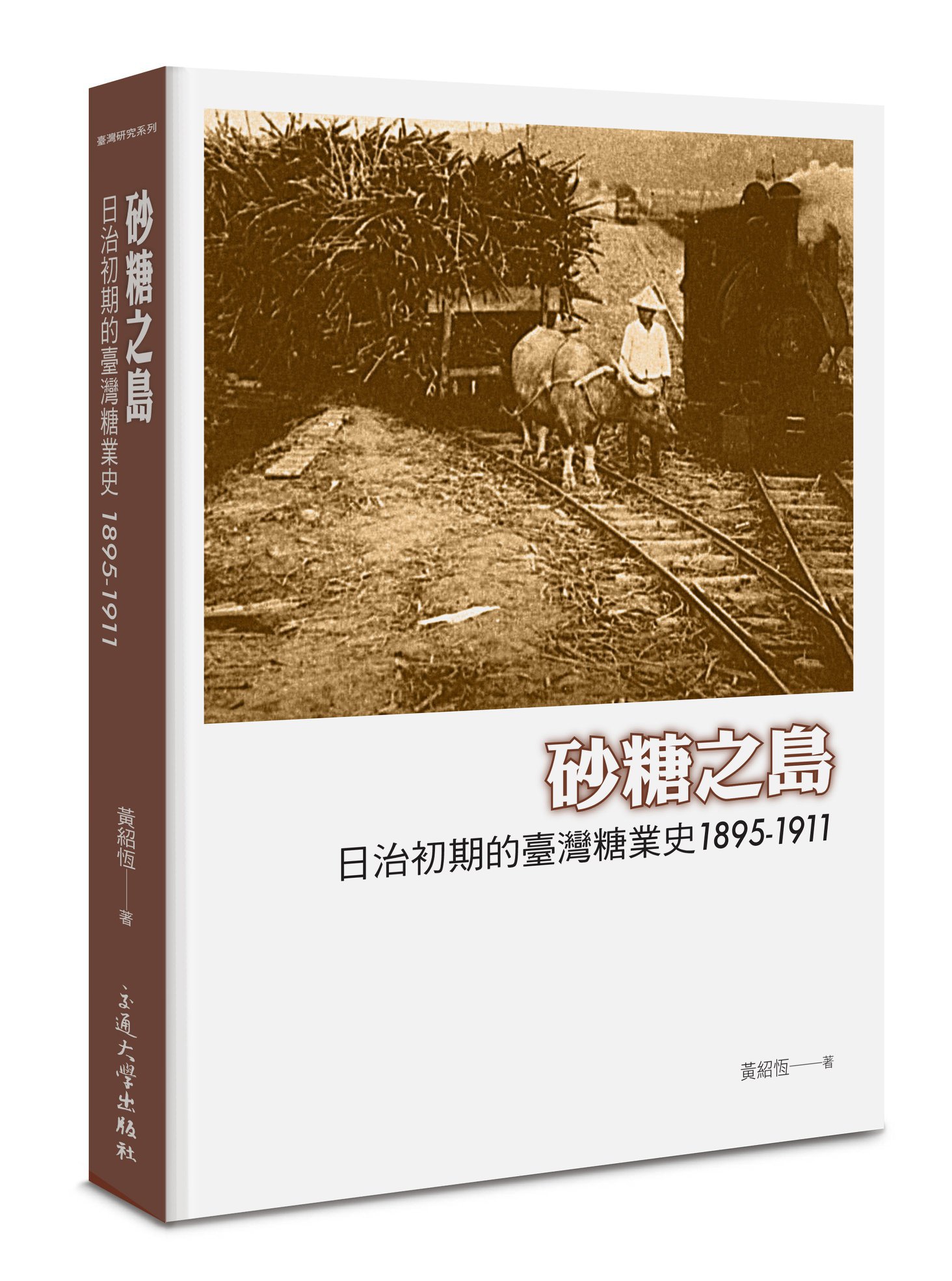
【新書書訊】砂糖之島: 日治初期的臺灣糖業史1895-1911
作者|黃紹恆
出版社|國立交通大學
書系|台灣研究
出版日期|2019/03/27
ISBN 13|9789578614277
ISBN 10|9578614276
內容簡介|
從臺灣近代糖業史,看資本主義脈絡下的兩面刃
砂糖自15世紀以降的「地理大發現」時代起,即成為世界
本書就日治初期臺灣近代製糖業成立過程,以「充分條件」
日治初期在臺灣所成立的機械製糖業,雖然擁有相應的資本
作者簡介|
黃紹恆
國立交通大學客家文化學院院長、人文社會學系教授。
新竹縣人,國立臺灣大學經濟學系畢業,東京大學經濟學碩
購書資訊|
三民 https://pse.is/GHXD3
交大出版社 https://pse.is/DWRQ9
誠品 https://pse.is/GFJ52
金石堂 https://pse.is/GE9T3
博客來
https://pse.is/GHLYU
國家書店
https://pse.is/GDQ2X
讀冊 https://pse.is/EZKSH
Sugar Island: The History of Taiwan Sugar Industry During the Early Years of Japanese Rule, 1895-1911
Publication Date|2019-03-27
Authors|Shaw-Herng Huang
Press|National Chiao Tung University Press
ISBN|9789578614277
Synopsis
From the context in Capitalism to Contemporary Sugar Industry in Taiwan
Due to the Geographical Discovery of the 15th century, sugar has become a world
commodity, profoundly affecting the contemporary history around the world. Taiwan has also entered the stage of world history because of sugar. Its importance has not lasted until the 1960s. Before the end of the Second World War, Taiwan was the foundation in modern sugar industry in Japan.
This book discusses the establishment of Taiwan's modern sugar industry in the early days of the Japanese occupation, covering the commencement Adequate Regulation of Taiwan's sugar industry from the Dutch East India Company to the initial development in the 1860s. It then explains the Required Regulation of the sugar import trade deficit caused by the opening by Japan which was transformed into the Post Sino-Japanese War development of Taiwan's modern sugar industry.
Although there were equipped with mature mechanical techniques in sugar industry in Taiwan in the early days of Japan-Ruling Era, it was still difficult to control the localsmall-scale farming economy that has taken root and grown in Taiwan for more than200 years. However, the Sugar Club has relied on the sugar policy of the Governor's Office of Taiwan, which has achieved considerable success in the acquisition of rawmaterials through those policies. However, these policies have also become the bottleneck for the development of sugar companies, making the Taiwanese sugar industry in the Japanese occupation period unable to operate independently in the country.