
【講座】電影感官迴路中的命定(與未知)
電影感官迴路中的命定(與未知)
The Moving Image as a Sensory Circuit of Fate (and Indeterminacy)
2016年6月1日(三)下午2:00 - 5:00/Wed, June 1, 2-5pm
交通大學人社二館106A研討室/R106A, HA Building 2, NCTU
毛雅芬(交通大學文化研究國際中心博士後研究員)/
Ya-Feng Mon (Post-doctoral Fellow, IICS, NCTU)
畢業於倫敦大學Goldsmiths學院,專長為電影暨
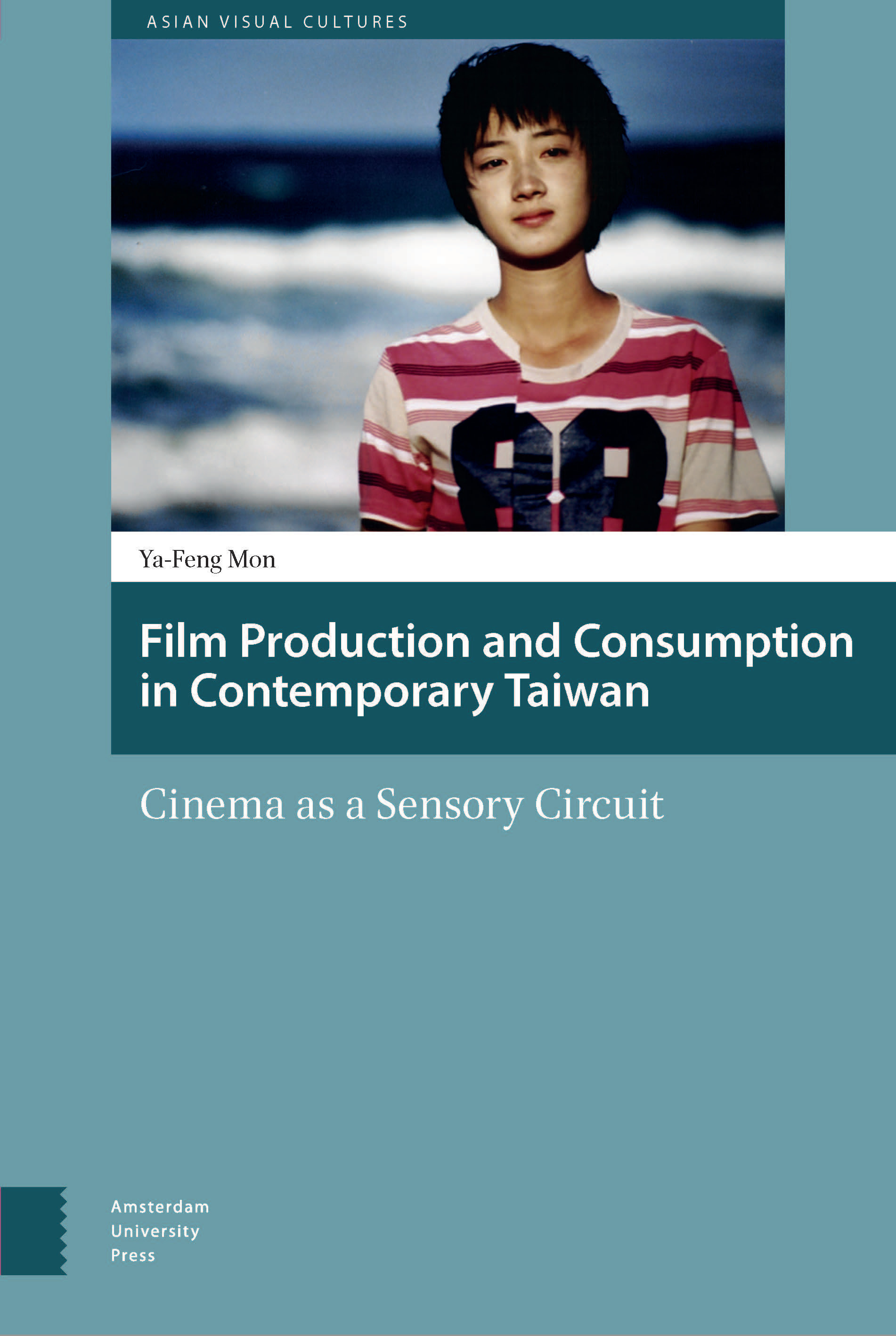
Dr. Ya-Feng Mon received her doctorate from Goldsmiths, University of London. Her monograph Film Production and Consumption in Contemporary Taiwan: Cinema as a Sensory Circuit is to be published by Amsterdam University Press in 2016. Using 21st century Taiwan queer romance films as a case study, the book delves into the realms of sensations, feelings, impulses, and intuition in order to uncover the sensory aspects of the power dynamics between the film industry and its audience. Mon’s background in film journalism has allowed her unique insights into the complex terrain of film production and consumption. Her recent research interests lie in various embodied experiences of the moving image, including corporeal mysticism and the body archive.
Talk Abstract
Using the production and consumption of 21st century Taiwan queer romance films as a case study, this talk ethnographically explores the possibility that fate, with all its mystical implications, is a sensory experience effectively sustained by means of the moving image technology. Focusing on the shape, the expression, and the transmission of individuated sensations, I will argue that the travel of the moving image through the process of production to consumption (and perhaps back again) subjects the filmmakers and the spectators not merely to the potency of the moving image technology, which affects and can as a result qualify the capacities of the involved human bodies. But more consequentially, when engaging with the moving image, the body simultaneously opens up to the influence of a broad network of environmental factors, including bodies and things within the body’s immediate surroundings. As this network inflects/refracts the experience of the moving image via the sensory linkage among various bodies and things, it exerts a collective agency whose effect and constitution at once goes beyond the grasp of individual filmmakers or spectators and beyond the scope of any governance practice. Therein emerges a sense of fate, in the form of the lack of a sense of control, which originates from an indeterminacy that may paradoxically constrict individuals when defying governance.
主辦單位:台灣聯合大學系統&交通大學文化研究國際中心